Nature on the Ballot

If we lose them here, we lose them forever.

More than 4,000 of our native species are threatened or at risk of extinction. We have one of the highest rates of threatened species in the world. 

Some are hanging on by just a thread, with only a few dozen individuals left.

Image
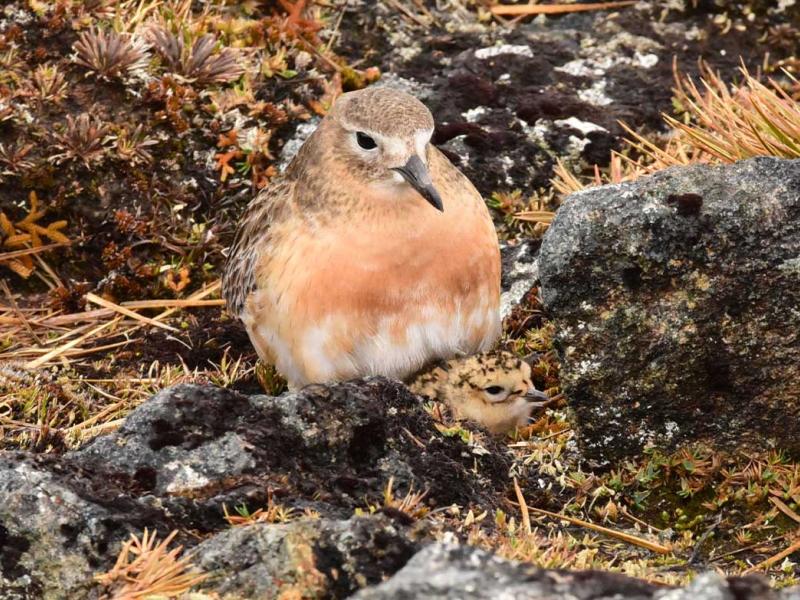
Southern dotterel with chick

Pukunui

Just 160 Southern dotterel remain.

Image
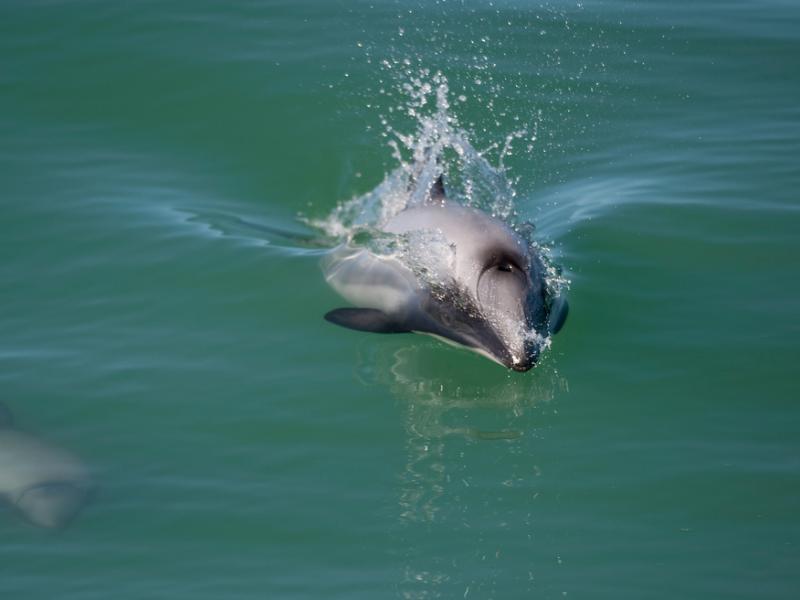
Māui dolphin

Māui dolphin

Only about 50 adults left.

Image
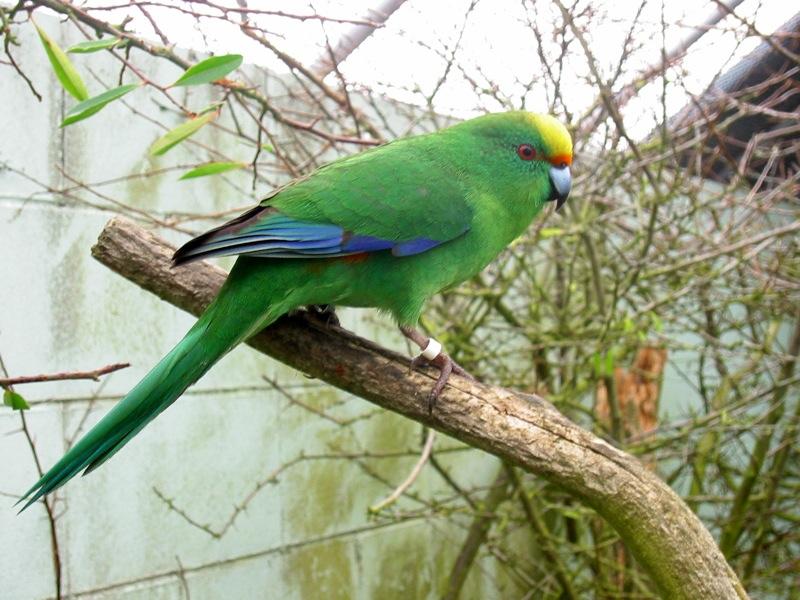
Orange fronted parakeet in sanctuary

Kākāriki karaka

An estimated 200-300 orange-fronted parakeets.

Image
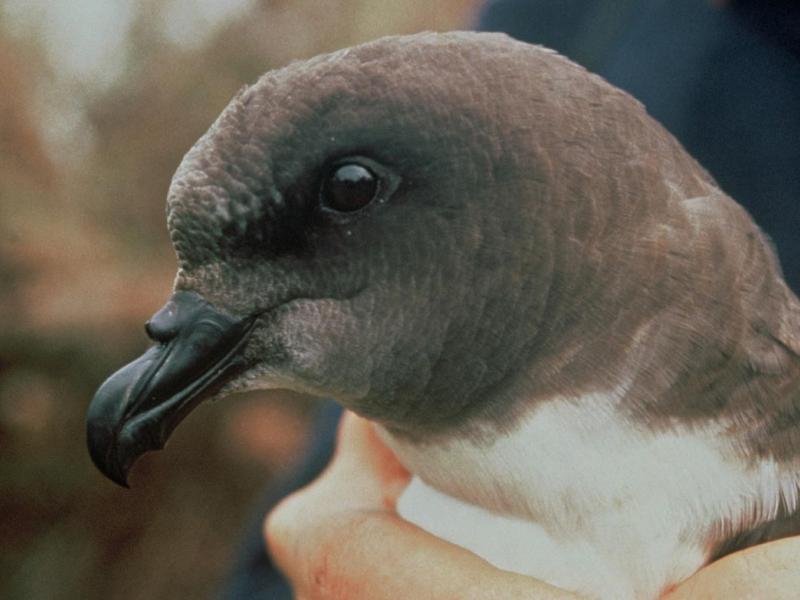
Chatham Island taiko

Chatham Island taiko

Fewer than 200 magenta petrels.

We've lost 90% of our wetlands, 75-80% of our native forest cover and 44% of New Zealand’s river length is too polluted to swim in.

These aren’t just statistics. These are species and habitats found nowhere else on earth – and whether they survive depends on the choices we make now.

Decades of under-investment, habitat loss, and the growing impacts of climate change have pushed many species towards the brink.

Now they're facing another challenge. The arrival of the H5N1 bird flu strain in New Zealand adds a new threat for many of Aotearoa's native birds and marine wildlife. We can't control every risk nature faces, but we can build healthier, more resilient ecosystems that give wildlife the best chance of surviving them.

Nature is running out of time, but extinction isn’t inevitable. With the right investment, stronger protections, and political leadership, nature can recover.

This election, we’re calling on every political party to commit to a nature positive Aotearoa – where nature is properly protected and where we invest in, rather than exploit, our greatest natural asset. Because protecting nature shouldn’t be an optional extra.

Nature is on the ballot. Add your name today. 
Open letter to all New Zealand politicians

Aotearoa’s natural environment is vital to our economy, our wellbeing and our identity. 

Our rivers, forests, oceans and wildlife are part of who we are.

Yet many of our native species are hanging on by just a thread. More than 4,000 of our native species are threatened or at risk of extinction, and if we lose them here, we lose them forever.

The arrival of the H5 strain of bird flu in New Zealand is a stark reminder that new threats can emerge at any time. We cannot prevent every challenge nature will face, but we can ensure our native wildlife is better able to withstand them by investing in healthy ecosystems, stronger protections and effective conservation.

Decades of underinvestment in conservation, habitat loss, and the growing impacts of climate change have pushed nature to the brink. Successive governments have treated nature as a ‘nice to have’ rather than the essential asset it is.

This election, we call on all parties to commit to a Nature Positive Aotearoa – one where nature is properly protected, restored, and valued as the foundation of our country’s future.  

Policies for a Nature Positive Aotearoa

We don’t have to choose between a strong economy and a healthy environment. In fact, protecting nature is one of the smartest economic decisions we can make. When nature thrives, so do people.

WWF-New Zealand, together with Forest & Bird and Greenpeace Aotearoa have set out a clear policy roadmap for Aotearoa – one that shows how we can protect nature. 

Priority polices include:

  1. Protect all remaining natural wetlands and implement a plan to restore at least 30% of degraded wetland area.
  2. Increase overall public conservation funding to at least $2 billion annually within five years and invest in systems improvement to ensure it is deployed as effectively and efficiently as possible.
  3. Amend aspects of the Conservation Act 1987 and Wildlife Act 1953 to ensure the conservation management system prioritises halting and reversing nature loss in New Zealand.
  4. Implement the National Policy Statement on Indigenous Biodiversity and Te Mana o te Taiao.
  5. Introduce a long-term and large-scale fund to support projects that deliver climate adaptation or mitigation outcomes whilst supporting the recovery of our indigenous biodiversity (i.e. nature-based solutions).
  6. Restore environmental protections and signal a strong commitment to Te Tiriti by repealing the Fast-Track Approvals Act, restoring Te Tiriti clauses in legislation and repealing anti-environment changes to resource management laws.